
When an old dog suddenly smells bad—especially if the odor is strong, unusual, or appeared quickly—it’s often a sign that something has changed in their health or hygiene.
Senior dogs can develop a mild “doggy odor” over time, but a sudden or intense smell is not normal and should be investigated.
Table of Contents
Old Dog Suddenly Smells Bad: Why It Happens
A sudden bad smell in an old dog is usually caused by infection, dental disease, skin problems, or internal health issues rather than normal aging.
As dogs get older, their immune system weakens, their skin becomes more sensitive, and underlying conditions can develop more easily.
When something goes wrong—whether externally (skin, ears, mouth) or internally (organs)—it can produce a noticeable and often unpleasant odor that wasn’t present before.
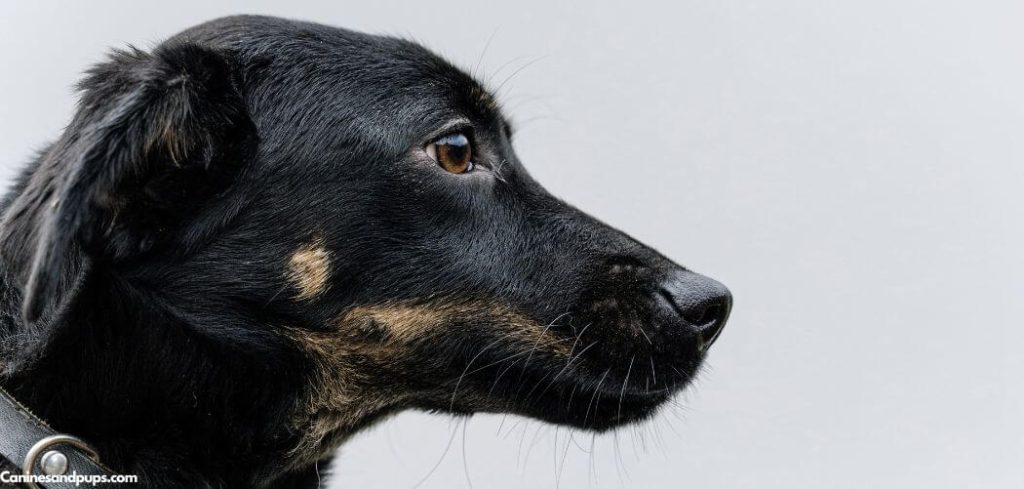
Is It Normal For Senior Dogs To Smell Stronger?
As dogs age, subtle changes in skin oil production, grooming habits, and metabolism can slightly alter their scent. However, a sudden, overpowering, or rotten smell is not normal.
If your old dog suddenly smells bad and the odor is noticeably different from their usual scent, it’s important to investigate further.
Start by determining where the smell is coming from. Is it the mouth? The ears? The skin? The rear end? Or does the entire body seem to carry a strong odor?
Pinpointing the source helps narrow down the underlying cause.
Old Dog Suddenly Smells Bad: Signs
If your old dog suddenly smells bad, you may notice other signs depending on the source of the odor.
Strong, unusual, or “rotten” smell
Bad breath or mouth odor
Oily, dirty, or matted coat
Redness, sores, or discharge on the skin
Ear odor or visible buildup
Excessive licking or scratching
Lethargy or reduced activity
Changes in appetite or behavior
Old Dog Suddenly Smells Bad: Common Causes
Dental Disease
One of the most common causes of a sudden bad smell is dental disease. Over time, plaque and tartar buildup can lead to gum infection, tooth decay, and abscesses.
In older dogs, this can progress quickly and produce a strong, foul odor from the mouth. The smell is often described as rotten or infected and may be noticeable even when your dog is not close to you.
Advanced dental disease can also affect overall health, as bacteria can enter the bloodstream and impact other organs.
Skin Infections (Bacterial or Yeast)
Skin infections can develop quickly in older dogs, especially if there is underlying irritation or weakened immunity.
Bacterial infections often produce a strong, unpleasant smell, while yeast infections may have a musty or “sweet” odor.
These infections commonly occur in skin folds, under the legs, or around the groin. You may also notice redness, itching, hair loss, or discharge along with the smell.
Read more: Old Dog Skin Problems (Signs, causes and treatment)
Ear Infections
Ear infections are another common source of sudden odor. The smell is often strong and distinctive, sometimes described as sour or foul.
Older dogs may be more prone to chronic ear issues, especially if they have underlying allergies or reduced immune function.
Signs may include head shaking, scratching, or visible discharge in the ears.
Anal Gland Issues
The anal glands produce a naturally strong-smelling fluid, but when they become impacted or infected, the odor can become overwhelming.
This smell often appears suddenly and is very noticeable. Your dog may scoot, lick the area, or seem uncomfortable.
In older dogs, reduced muscle tone can make it harder for these glands to empty naturally.
Read more: Old Dog Urine Smells Bad (What it could mean)
Poor Grooming
As dogs age, they may groom themselves less effectively or have difficulty moving, leading to buildup of dirt, oils, or waste in their coat.
If your dog has had accidents or cannot clean themselves properly, bacteria can grow and produce a strong odor.
This is especially common in dogs with mobility issues or incontinence.
Infected Wounds or Tumors
Open wounds, abscesses, or infected tumors can produce a strong, decaying smell due to bacterial growth and tissue breakdown.
In older dogs, tumors are more common, and some may become ulcerated or infected, leading to noticeable odor.
These conditions often require immediate veterinary attention.
Internal Organ Disease
Certain internal conditions can change your dog’s body odor.
For example, kidney disease can cause a urine-like smell on the breath, while liver disease can produce a musty or foul odor.
These smells are often accompanied by other symptoms such as lethargy, appetite changes, or weight loss and should be taken seriously.
Urinary or Fecal Incontinence
If your dog is having accidents or leaking urine, the smell may come from the fur rather than the body itself.
Urine and feces can cling to the coat and skin, leading to bacterial growth and odor.
This is common in older dogs with reduced control or mobility.
How to Identify the Source of the Smell
Start by gently checking different areas of your dog’s body. Smell the mouth, ears, and coat to narrow down the source. Look for visible signs such as redness, discharge, or buildup.
Check areas that are harder to see, such as under the tail or between skin folds.
Identifying where the smell is coming from can help determine whether the issue is external or internal.
What to Do If Your Old Dog Suddenly Smells Bad
Begin with basic hygiene—gently clean your dog’s coat if needed, especially if there have been accidents.
Brush your dog regularly to remove buildup and check for hidden issues.
Avoid using harsh products that could irritate sensitive skin.
Monitor for additional symptoms such as changes in appetite, behavior, or energy levels.
If the smell persists or worsens, do not rely on home care alone—this is often a sign of an underlying issue.
When to Call or Visit Your Vet
Contact your veterinarian if the smell is strong, persistent, or appeared suddenly without a clear cause.
Seek immediate care if the odor is accompanied by signs of infection, such as swelling, discharge, or pain.
Bad breath that is unusually foul should always be evaluated.
If you suspect internal illness due to additional symptoms, a veterinary exam is essential.
Old Dog Suddenly Smells Bad: Treatment
Veterinary treatment depends on identifying the source of the odor. Dental disease may require cleaning or tooth extraction.
Skin and ear infections are treated with medications such as antibiotics or antifungals.
Anal gland issues may be resolved through expression or treatment of infection.
If internal disease is suspected, your vet may perform blood tests or imaging to diagnose and treat the condition.
Key Takeaway
An old dog that suddenly smells bad is usually a sign of an underlying issue, not just normal aging. Common causes include dental disease, infections, hygiene problems, or internal illness.
Identifying the source and seeking veterinary care when needed can prevent more serious complications.
With proper care and treatment, many of these issues can be resolved, helping your dog feel more comfortable and healthy.


